Home › Private Road and Lane Paving
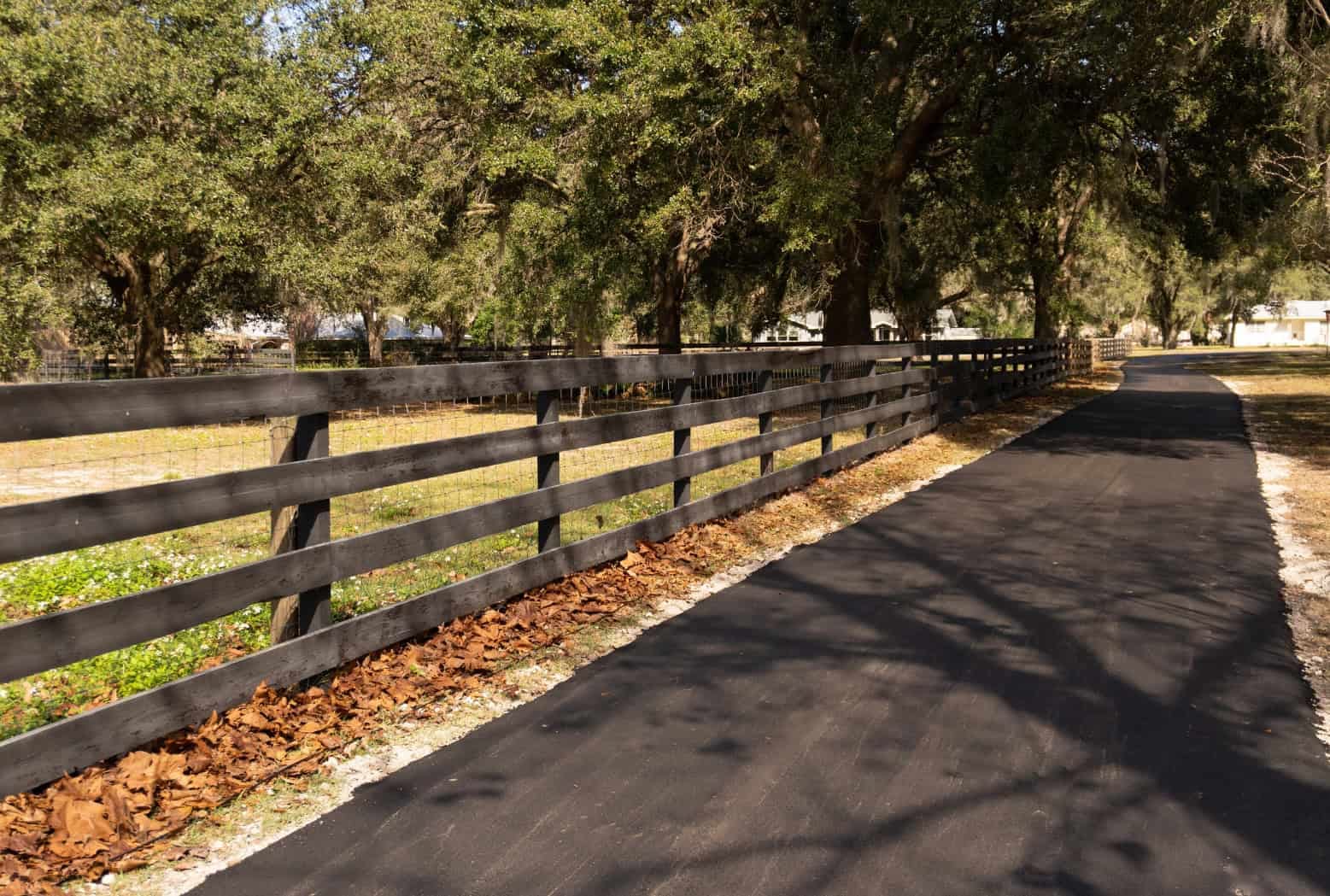
Upgrade gravel or rutted lanes with professional private road paving in Lincoln, NE. We construct strong bases and lay smooth asphalt for shared driveways, acreage roads, and access lanes that stay drivable in all seasons.
Precision Asphalt Lincoln provides professional private road paving throughout Lincoln, NE, Nebraska and the surrounding area. Our licensed, insured crew delivers safe, clean, on-time work with a free estimate before anything begins. Call (402) 409-1712 or request your free quote.
Engineered Private Roads Built for Lincoln, NE Conditions
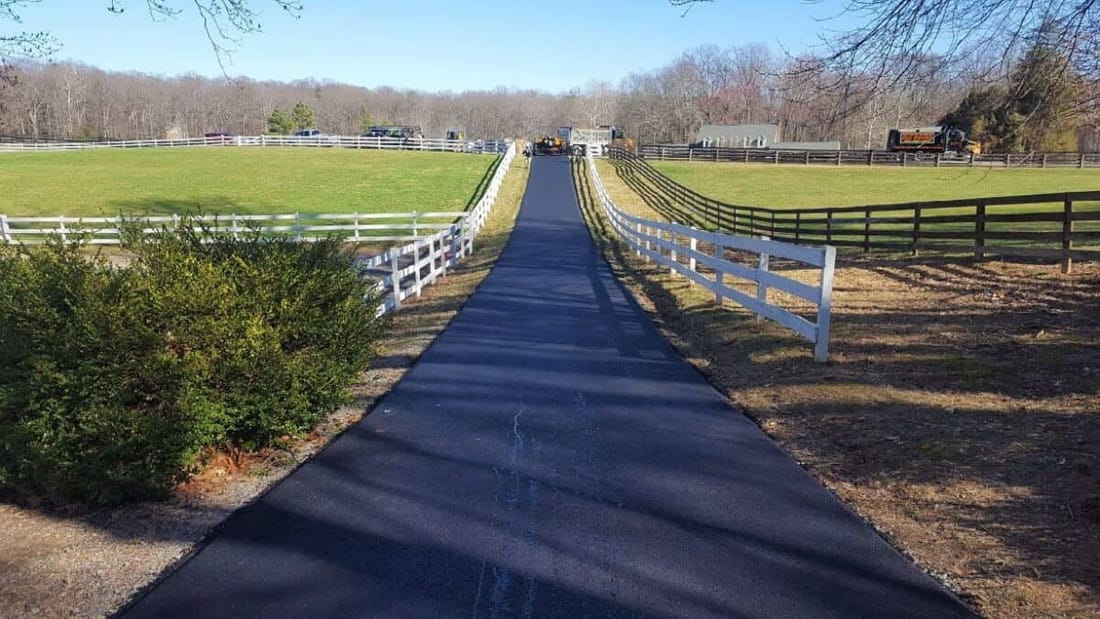
Private road paving is not just a smaller version of a public street. It has to handle delivery trucks, farm equipment, service vehicles, and Nebraska freeze-thaw cycles, all without the benefit of a city maintenance crew. At Precision Asphalt Lincoln, we design and build private roads and lanes specifically for how you will use them and for our local soils and climate.
We start every project with an on-site evaluation. We walk the full route of the proposed or existing road, check drainage patterns, soil type, soft spots, and access for equipment. In the Lincoln area we frequently see loess soils that hold water and existing gravel lanes with chronic potholes and washboarding. We flag these problem areas early, because they drive how strong the base needs to be and where we must correct drainage before any asphalt goes down.
From there, we discuss how the road will be used. A long shared driveway with light car traffic calls for a different section design than a private lane that must regularly carry propane trucks, grain trucks, or heavy service vehicles. Knowing this up front lets Precision Asphalt Lincoln specify the right base depth, asphalt thickness, and mix type so your private road holds up for the long term.
Step-by-Step: How We Build Durable Private Roads and Lanes
Well-built private road paving follows a disciplined process. Skipping steps, which is common with cut-rate bids, is why many private roads around Lincoln develop ruts and alligator cracking a few years after construction.
1. Clearing and rough grading: We remove vegetation, topsoil, old pavement, and organics to expose stable subgrade. For new lanes across fields or acreages, this often means stripping 6 to 12 inches of topsoil. We then rough grade to establish the general slope and tie-ins to garages, barns, or county roads.
2. Subgrade stabilization: In soft or clay heavy areas, we may proof roll with a loaded truck to locate weak spots. Those pockets are undercut and replaced with compactable material. In some cases around Lincoln, particularly in low spots that stay wet, we install geotextile fabric over the subgrade to separate the soil from the aggregate base.
3. Base installation and compaction: We place crushed rock or recycled concrete base in lifts, typically 4 to 6 inches at a time, then compact each lift with a vibratory roller. For most private roads and shared lanes, total base depth is 6 to 10 inches, adjusted for soil conditions and traffic loading.
4. Fine grading and shaping: We establish the exact profile of the road, crown, and cross slopes at this stage. Precision Asphalt Lincoln crews set the base so water will naturally run off to the sides, never sit in the wheel paths.
5. Asphalt paving: We install hot mix asphalt using a paver for consistent thickness, then compact it with steel and pneumatic rollers. Typical private roads get 2.5 to 3 inches of finished asphalt for light to medium traffic, with thicker sections for heavy or frequent truck use.
6. Finishing and tie-ins: We smooth transitions to existing driveways, approaches, and county or state roads, then shoulder the sides with gravel or topsoil so the pavement edge is supported and protected from cracking.
Local Design Choices: Thickness, Mix Types, and Drainage for Nebraska Weather
Design details are where private road paving either succeeds for decades or fails early. Precision Asphalt Lincoln spends time on design because our climate is harsh on pavement.
Asphalt thickness is one of the most important decisions. For a light use private lane serving only a couple of cars per day, 2 inches of compacted asphalt over 6 inches of base might be sufficient. For a shared access road with trash trucks, propane deliveries, and moving trucks, we usually recommend 3 to 3.5 inches of asphalt and a heavier base. For farm or commercial access, we may step up to an even thicker section or a binder and surface course system.
Mix selection also matters. In the Lincoln area we typically use Nebraska Department of Transportation approved mixes, which are designed to tolerate freeze-thaw cycles and deicer use. For private roads in shaded areas that stay icy longer, we may recommend a slightly coarser surface mix to improve traction.
Drainage is the other key factor. We design a gentle crown or cross slope so water leaves the pavement quickly. In low areas prone to standing water, we consider edge drains, shallow ditches, or simple grading changes to keep water away from the road structure. Without good drainage, even the best asphalt will deteriorate early.
If you already have an existing gravel lane, we look at whether that base can be incorporated or needs to be rebuilt. In some cases, a well established gravel road with proper drainage can be fine graded and used as a base, saving cost. In others, especially where ruts stay muddy for days after a rain, we plan for excavation and replacement so the new asphalt has a solid foundation.
Cost Factors for Private Road Paving in Lincoln, NE
Realistic budgeting starts with understanding what drives cost. Precision Asphalt Lincoln builds estimates from the ground up, based on the actual work and materials needed for your property, not generic formulas.
Length and width are the obvious drivers. A long acreage lane or a shared neighborhood road will use more materials and machine time than a short private approach. However, two roads of equal length can differ significantly in cost depending on required base depth and site conditions.
Soils and drainage are next. If the existing lane is on firm, well-drained ground, we may be able to reuse part of the base and avoid deep undercuts. If the lane runs through low, soft areas or across old fill, we may need additional excavation, geotextile, and thicker aggregate base to prevent future settlement.
Access and layout also matter. Straight runs that allow a paver to work efficiently will be more cost-effective than tight, winding lanes with multiple tie-ins, turnarounds, and limited space to maneuver equipment. Steep grades require more careful grading and compaction, and they may require thicker sections for stability.
Traffic loading is the final major factor. Designing for heavy or frequent truck traffic means more base, more asphalt, and sometimes stronger mixes, which increases up-front cost but avoids expensive failures later. When we quote, we explain the trade-offs so you know exactly what you are getting and why.
Solving Common Private Road Problems: Potholes, Ruts, and Dust
Residents and property owners usually call Precision Asphalt Lincoln when their private road has become a constant headache. The same issues come up around Lincoln: chronic potholes after every rain, dust clouds from fast moving vehicles, standing water, and ruts that scrape the underside of cars.
For gravel or crushed rock lanes that never stay smooth, full depth asphalt paving on a properly built base is often the best long-term fix. It eliminates dust, reduces washouts, and cuts down on yearly grading costs. Where budgets are tight, we can also discuss staged approaches, such as strengthening and reshaping the base now and adding asphalt later.
For existing asphalt private roads with widespread alligator cracking and patchwork repairs, we evaluate whether a structural overlay or full reconstruction makes more sense. If the base has failed or there are deep ruts, covering it with a new layer of asphalt will not last. In those cases we mill or excavate down to solid material, rebuild the base, and then pave.
Drainage related problems are also very common. Water that runs down a lane and collects at the bottom of a hill or at a curve will repeatedly damage that spot. Our crews adjust grades, add swales or ditches where appropriate, and correct cross slopes so water leaves the pavement instead of following it.
Every repair or reconstruction plan Precision Asphalt Lincoln proposes is specific to the conditions we see on site, which prevents you from spending money on cosmetic fixes that do not address the underlying problem.
What to Know Before You Hire a Private Road Paving Contractor
Private road paving is a long term investment, so choosing the right contractor matters. There are several practical questions a Lincoln, NE property owner should ask before signing a contract.
Ask how the contractor will evaluate your existing lane or proposed route. If the conversation never mentions soil conditions, base thickness, drainage, or traffic type, you are likely getting a one-size-fits-all section that might not perform. At Precision Asphalt Lincoln, we document the existing conditions and talk through at least two design options whenever possible.
Request specific section details in writing: proposed base depth and material, asphalt thickness, and the type of mix to be used. A vague description like "pave road" is not enough. Your quote should clearly state how many inches of base and asphalt will be installed after compaction.
Confirm who is responsible for permits or coordination with Lancaster County or the City of Lincoln at tie-in points. For private roads that connect directly to public roads, there are often standards for approach width, slopes, and drainage that must be followed.
Also ask to see recent projects similar to yours. A contractor who routinely builds commercial parking lots may not take the same approach to a winding rural lane with drainage ditches. Our team can point you to completed private roads on acreages and shared lanes in neighborhoods outside Lincoln so you can see the results for yourself.
Our Process and Next Steps for Your Private Road Project
When you contact Precision Asphalt Lincoln about private road paving, we follow a clear process designed to reduce surprises.
First, we schedule a site visit, usually within a few business days. During this visit we measure, check drainage and soil conditions, note any access issues, and discuss how the road or lane will be used. If utility access or future building plans might affect the alignment, we account for that early.
Next, we prepare a detailed proposal that includes a plan view sketch or description of the route, base and asphalt thickness, any drainage improvements, and line-item pricing. If there are optional upgrades, such as thicker asphalt for heavy trucks or extended turnouts for passing, we list those separately so you can make informed choices.
Upon approval, we schedule the work based on weather and material availability. In the Lincoln area, most private road paving is completed between late spring and fall when temperatures support proper asphalt compaction. Our crews manage traffic access to your home, farm, or facility throughout construction so you are never unexpectedly blocked in.
After completion, we review the new private road with you, explain recommended maintenance such as when to consider sealcoating, and point out drainage features so you understand how the system works. Our goal is a private road or lane that performs reliably in Nebraska conditions and reduces your long-term maintenance headaches.