Home › Asphalt Driveway Installation
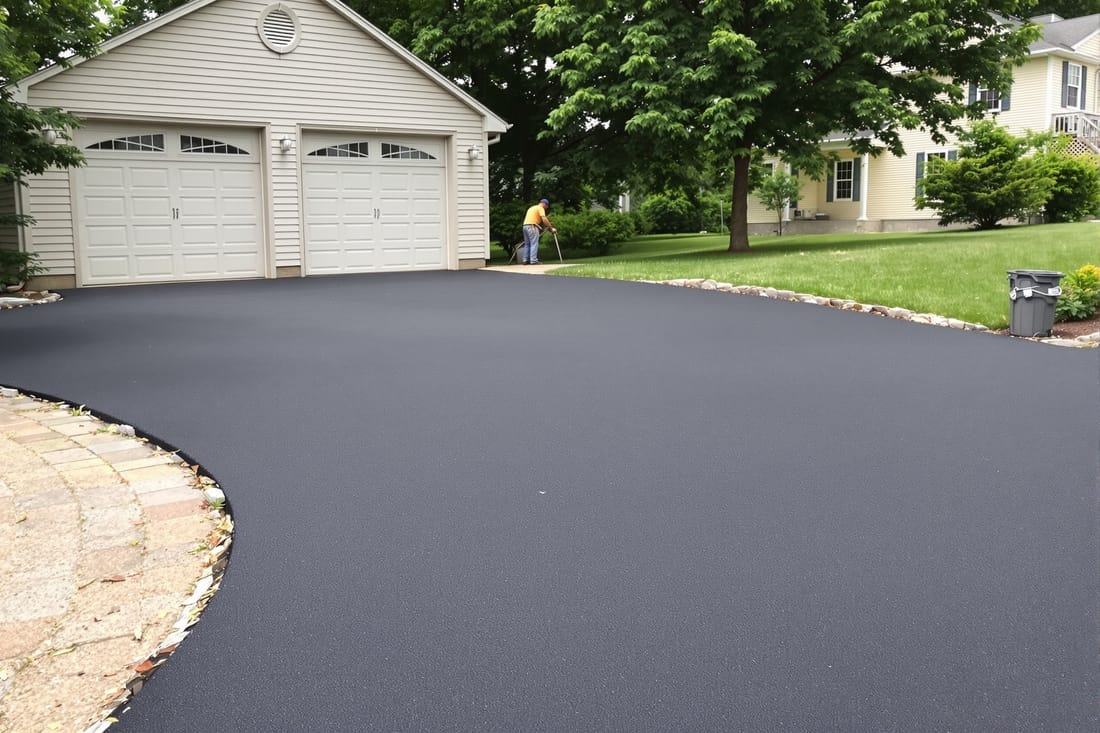
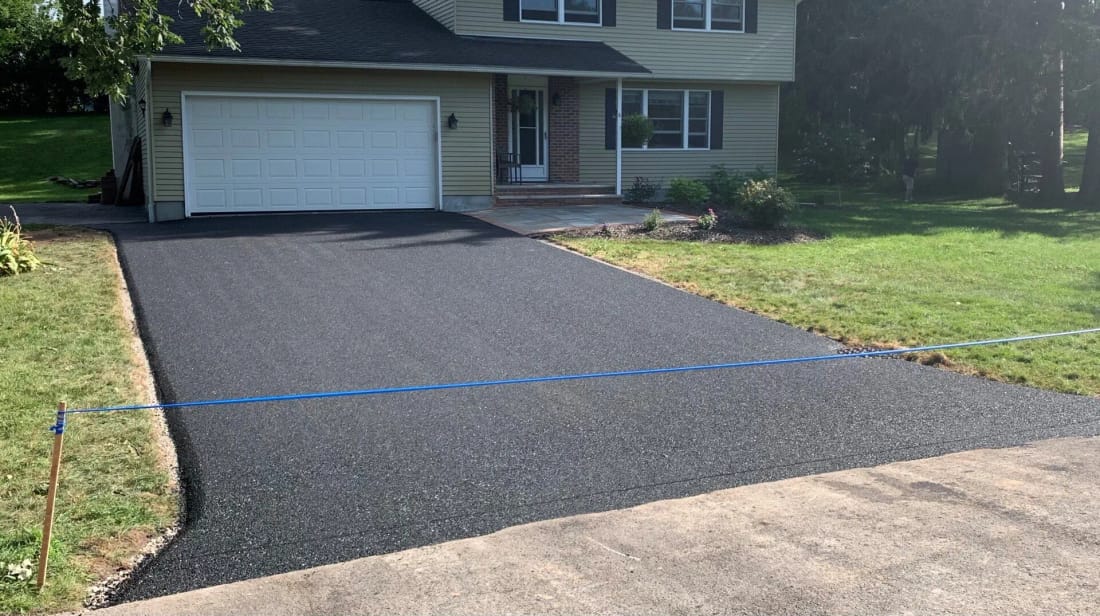
Get a smooth, long-lasting asphalt driveway installation in Lincoln, NE from local paving specialists. We handle grading, base prep, and precise compaction so your new blacktop driveway looks great and stands up to heavy use.
Precision Asphalt Lincoln provides professional asphalt driveway installation throughout Lincoln, NE, Nebraska and the surrounding area. Our licensed, insured crew delivers safe, clean, on-time work with a free estimate before anything begins. Call (402) 409-1712 or request your free quote.
Asphalt Driveway Installation in Lincoln, NE With Local Know‑How
A well built asphalt driveway should feel solid under your tires, drain properly during a Lincoln thunderstorm, and survive years of freeze and thaw without crumbling. At Precision Asphalt Lincoln, our installation process is built around the specific soil, weather, and traffic conditions we see every day in Lincoln and the surrounding communities.
We start by asking how you use your driveway. Do you park work trucks or trailers on it, or is it mainly for a couple of family vehicles? Do you need space to turn around, or a wider parking pad near the garage? These details help us design the right thickness of base and asphalt, and the driveway layout that actually fits your daily routine.
Local knowledge matters. Much of Lincoln has clay heavy soils that hold moisture and expand when frozen. If we treat your driveway subgrade the same as dry, sandy soil in another state, it will not last. Our crews know the typical problem pockets in neighborhoods like Belmont, Air Park, and Southeast Lincoln, and we tailor the base preparation and drainage to match. That is how we keep your new asphalt driveway from settling, cracking, or forming low spots after just a couple of winters.
Step‑by‑Step: How We Install Your Asphalt Driveway
A durable driveway is mostly about what you cannot see. For Lincoln homeowners, our asphalt driveway installation follows a detailed sequence that focuses on the base.
1. Site visit and measurements. We walk the area with you, mark utilities, check slopes toward the street or alley, and note problem spots such as standing water or soft ground. We measure thicknesses of any existing gravel or broken concrete and decide what can stay and what must be removed.
2. Excavation and removal. Old asphalt, concrete, and weak soil are removed to the depth needed for a stable base. In many Lincoln yards this is 8 to 12 inches below final grade, sometimes more near garages where heavier loads sit.
3. Subgrade shaping and compaction. We proof roll the exposed soil with a heavy roller or skid steer. Soft or pumping areas are dug out and replaced. This step is where we stop future sinkholes and ruts from forming.
4. Base rock installation. We install a layer of crushed, angular rock (not round river rock) and compact it in lifts. On typical Lincoln driveways, the rock base ranges from 4 to 8 inches, depending on soil and load requirements. We shape the base to create a gentle crown or consistent pitch so water sheds to the street or a swale.
5. Fine grading and edge definition. We smooth the base to tight tolerances so asphalt thickness is consistent. Along the sides, we may cut a slight shoulder in the soil or add rock so the asphalt edges are supported and do not crack off.
6. Asphalt paving. Hot mix asphalt from a local Lincoln plant is delivered and placed at the right temperature, then spread and compacted quickly so it bonds into a dense, smooth surface. For most residential driveways, we target 2.5 to 3 inches of compacted asphalt, more if you park heavy vehicles.
7. Final rolling and clean up. We check for low spots, smooth transitions to streets, alleys, and garage floors, and then clean up soil and debris. You receive clear instructions on when to drive and park on the new surface so it cures correctly.
Design Choices: Thickness, Layout, and Look
Even though asphalt is a functional surface, you still have choices that affect both performance and curb appeal. Precision Asphalt Lincoln walks you through these options so your asphalt driveway installation fits your home and budget.
Thickness and structure. For a typical Lincoln home with passenger vehicles, a 4 to 6 inch rock base with 2.5 to 3 inches of compacted asphalt is usually sufficient. If you have a camper, work van, or loaded trailer, we may recommend a thicker base and asphalt layer, especially near parking pads and turnaround areas.
Driveway layout. We look at how snow will be pushed in winter, how trash trucks approach, and how guests typically park. Small layout changes, such as a wider flare at the street or a small bump out near the garage, can make daily use easier and reduce edge damage from tires rolling off the side.
Drainage planning. In Lincoln, sudden storms can dump a lot of water in a short time. During design we plan for positive drainage so water runs away from your house, garage, and sidewalks. We may incorporate a slight crown, shallow gutter line, or connect to existing swales or culverts. Getting this right in the design phase can prevent puddles that lead to premature asphalt damage and slippery ice patches in winter.
Surface appearance. While asphalt is generally black, you can influence the look through edge treatments and transitions. We can create a neat, straight line where the asphalt meets your lawn or add a gravel border that makes snow removal easier. We also pay attention to the joint between your new driveway and the city street or alley, so there is no harsh bump or awkward lip.
What Drives Cost for Asphalt Driveway Installation in Lincoln
Homeowners often ask why two driveways that look similar can have different prices. The real cost drivers are hidden in the ground and in the details of the work.
Existing conditions. If we are replacing an old gravel drive that already has a solid, thick base, we may be able to reuse some of that structure and keep costs down. Removing thick concrete, dealing with buried rubble, or correcting severe drainage issues will add labor and disposal costs.
Soil type and base depth. In areas of Lincoln with softer, moisture holding soils, we sometimes recommend a deeper rock base. This adds material cost but prevents expensive failures later. Skimping on base depth is one of the fastest ways to get a low bid and a short lived driveway.
Driveway size and shape. A straight, rectangular driveway is more efficient to build than a long, curved drive with multiple flares and parking pads. Extra handwork around tight corners, landscaping, and steps can increase labor time.
Access for equipment. If trucks and rollers can reach your driveway easily from the street, production is smoother and more efficient. Narrow side yards, fences, or shared drives can require smaller equipment and more time.
Asphalt mix and thickness. There are different mix designs suited to driveways, parking lots, or heavier traffic. For a residential driveway, we usually use a fine graded surface mix that compacts tightly and is comfortable to walk on. Thicker asphalt layers and higher performance mixes cost more but may be warranted where you park heavier vehicles.
At Precision Asphalt Lincoln, we provide line item estimates that spell out base depth, asphalt thickness, and any drainage or demolition work. You see exactly where your money goes, which makes it easier to compare our proposal to others on more than just the total price.
Common Problems We Prevent Before They Start
Many of the driveway issues Lincoln homeowners call us about years later can be avoided during the original installation. Our crews are trained to look for and correct these problems while the ground is open.
Poor drainage and standing water. If water sits on or beside your driveway, it will find its way into cracks and edges. When that water freezes in a Nebraska winter, it expands and breaks the asphalt apart. We address this by adjusting grades, adding or reshaping swales, or in some cases installing small drainage structures so water has somewhere safe to go.
Thin or uneven base. A driveway that looks fine on day one can start to rut or show tire depressions as cars roll over areas where the base is too thin. We use consistent laser or string line checks to keep base depth uniform. We also make multiple passes with compactors to ensure the rock is locked in, not just sitting loose.
Unstable edges. The outer 6 to 12 inches of driveway edges are where most damage begins, especially when delivery trucks or snowplows run off the side. We counter this by supporting the edges with compacted rock shoulders or, on some projects, by thickening the edge section. This reduces the chance of the edge breaking off in chunks.
Seam and joint issues. If your new driveway ties into an older section of asphalt or concrete, that joint can be a weak spot. We treat joints carefully, cutting clean lines, using tack coat for bonding, and matching elevations so water does not pool at the seam.
Because Precision Asphalt Lincoln also handles repair work, we see firsthand what went wrong with other installations. We feed those lessons back into our process so the driveway we build for you avoids the same mistakes.
What to Expect When You Hire Precision Asphalt Lincoln
A smooth asphalt driveway installation starts with clear expectations. Here is how we guide you from first call to finished pavement.
Initial conversation and site visit. When you contact Precision Asphalt Lincoln, we ask about your timeline, how you use the driveway, and any specific concerns such as drainage or muddy areas. During the site visit, we take measurements, photos, and elevation checks, then discuss layout ideas with you on the spot.
Written proposal. You receive a detailed written proposal that includes scope of work, base and asphalt thicknesses, any demolition or hauling, and estimated start and completion windows based on Lincoln weather and plant schedules.
Scheduling and utility coordination. Before excavation, we arrange for utility locates so buried lines are clearly marked. We schedule your job to minimize disruption, often completing typical residential driveway installations in one to three days of active work, not counting curing time.
During construction. Our crew lead is your point of contact on site. You will know when driveways or garage access will be temporarily limited, so you can move vehicles and plan around the work. We take care to protect nearby landscaping and sidewalks, and we keep the site as tidy as conditions allow.
After paving. We recommend staying off a fresh asphalt driveway with vehicles for at least 24 to 48 hours, depending on temperature. In hot Lincoln summers, we may suggest longer before parking heavy vehicles or trailers. You will also receive tips on early care, such as avoiding sharp turns of steering wheels while parked and not placing motorcycle kickstands or jacks on the surface without pads during the first weeks.
Follow up and future maintenance. A well built driveway still benefits from basic care. We discuss when to consider crack sealing or sealcoating, and what signs of wear to watch for. If you have questions months later, you can call us and speak with the same local team that installed your driveway, not a call center in another state.