Home › Commercial Gravel-to-Asphalt Conversions
Upgrade from dust and mud with commercial gravel to asphalt conversions in Lincoln, NE. We regrade, stabilize, and pave gravel lots and drives so they are easier to maintain and more professional looking.
Precision Asphalt Lincoln provides professional commercial gravel to asphalt throughout Lincoln, NE, Nebraska and the surrounding area. Our licensed, insured crew delivers safe, clean, on-time work with a free estimate before anything begins. Call (402) 409-1712 or request your free quote.
Turn Your Gravel Lot Into a Durable Asphalt Surface
Loose gravel might work for a while, but most Lincoln businesses eventually need a cleaner, safer, and more professional surface. Precision Asphalt Lincoln specializes in commercial gravel-to-asphalt conversions that are designed around how your property is actually used, not just a standard template.
We work with retail centers off O Street, industrial sites near West O and Cornhusker, medical offices, churches, and office parks that are tired of dust, rutting, and constant grading. Our team evaluates your current gravel lot, traffic patterns, subgrade conditions, and drainage to design an asphalt solution that will hold up to Nebraska freeze-thaw cycles and heavy vehicle use.
From planning to final striping, you work with a local crew that understands Lincoln soils, city expectations, and realistic budgets. Our goal is to deliver a smooth conversion that minimizes downtime for your customers and staff while giving you a long-lasting asphalt surface that looks professional and performs reliably.
How We Convert a Gravel Lot to Asphalt (Step by Step)
A successful commercial gravel-to-asphalt project starts before the first machine arrives. Precision Asphalt Lincoln begins with a site walk to measure the lot, check gravel depth, inspect soft spots, and identify drainage issues such as low areas that hold water after storms. We review how your traffic flows, loading dock locations, trash enclosures, and high-turn areas like drive lanes at entrances.
Once the plan is set, we start with grading and shaping. We rework your existing gravel, cut down high spots, fill low areas, and compact in multiple passes using heavy rollers. If the existing gravel is too thin or contaminated with topsoil or mud, we add and compact new base rock to reach the required depth for commercial traffic.
Next, we address problem areas. Soft or pumping spots are undercut and replaced with stronger base material. In areas that will see repeated truck turning, such as around dumpsters and delivery zones, we may recommend a thicker asphalt section or a stronger base to reduce rutting.
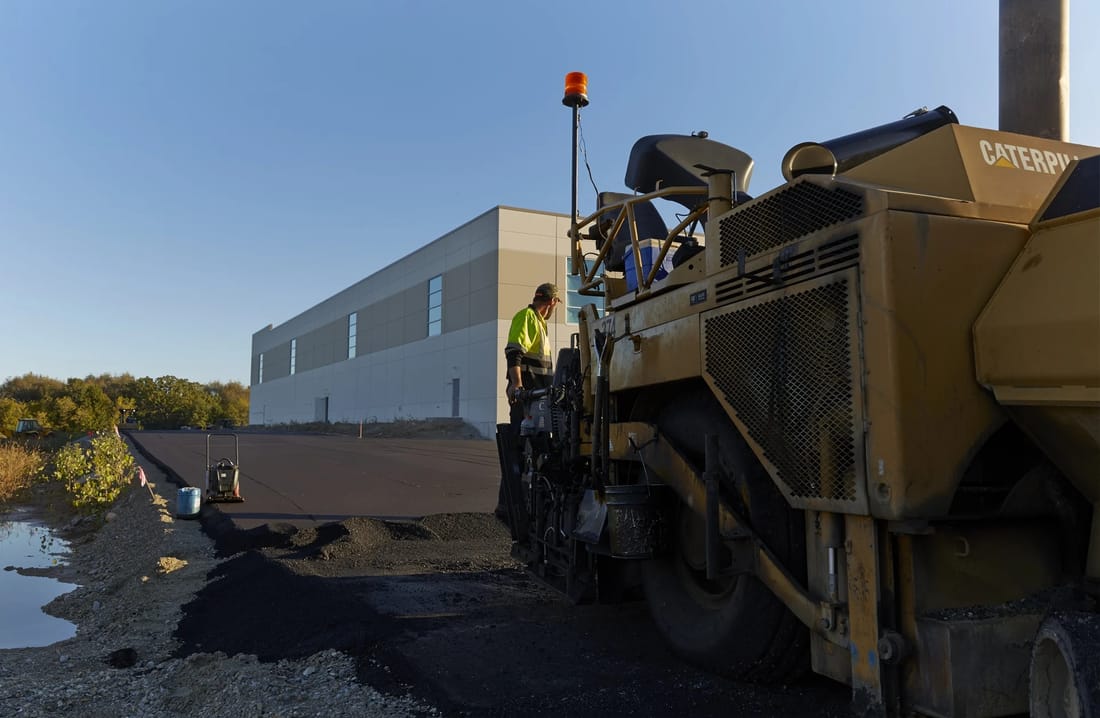
After the base is firm and shaped with the correct slopes, we apply tack coat where needed, then install hot mix asphalt at the specified thickness, usually in one or more lifts depending on traffic demands. The asphalt is laid with a paver for a consistent surface, then rolled for density and smoothness. When the surface has cooled, we add pavement markings, parking stalls, ADA-compliant spaces, and directional arrows so the lot is ready for use.
Design Options for Your New Asphalt Lot
A gravel-to-asphalt conversion is a chance to improve how your commercial site functions, not just change the surface material. Precision Asphalt Lincoln can adjust drive lane widths, add or remove parking rows, and refine traffic patterns to improve safety and flow. If fire lanes or delivery routes are not clearly defined today, we can incorporate them into the new layout.
We also look at drainage as part of the design. Many existing gravel lots in older parts of Lincoln, such as near downtown and older industrial districts, were never graded with long-term drainage in mind. When we convert to asphalt, we set slopes so water runs to catch basins, swales, or the street gutter instead of pooling in the middle of the lot. In some cases, we recommend installing new surface drains or adjusting existing inlets to match the new pavement height.
You can choose performance options based on how the space is used. For light-duty customer parking, a standard commercial asphalt section is usually sufficient. For heavy trucks, forklifts, or frequent semis, we may recommend thicker asphalt, a stronger base, or limiting heavy traffic to defined drive lanes to control costs while still protecting high-stress areas. We also discuss striping layouts that maximize parking count while keeping compliant ADA access aisles and clear routes to building entrances.
What Affects the Cost of Commercial Gravel-to-Asphalt Conversions
No two gravel lots are the same, so Precision Asphalt Lincoln explains the actual factors that drive your project cost before you commit. The first is base condition. If your gravel has been maintained, is deep enough, and drains well, we can often reuse much of it. If the lot has years of ruts, standing water, or organic material mixed in, we may need to undercut and rebuild more of the base, which affects cost but greatly improves long-term performance.
Traffic loading is another major factor. A small office parking lot in south Lincoln with mostly passenger cars will not need the same section as a distribution yard near the airport with frequent trailers and delivery trucks. Heavier traffic means either thicker asphalt, stronger base, or both. We will show you how changing thickness or materials impacts both upfront cost and expected lifespan.
Site complexity also plays a role. Conversions that require new drainage structures, additional grading to tie into surrounding sidewalks, or phasing work around multiple entrances typically involve more labor and coordination. However, careful staging can reduce downtime and avoid shutting your business down. We walk you through these options so you can balance budget, disruption, and long-term value.
Because we work almost exclusively in the Lincoln area, we can give realistic cost guidance based on recent local projects, not generic national averages. Our estimates are itemized so you see what it costs to address problem areas versus standard paving, which helps with internal budgeting and approvals.
Common Problems With Gravel Lots and How We Fix Them
Commercial gravel lots around Lincoln often show the same issues: dust, washouts after storms, ruts where delivery trucks turn, and mud tracking into buildings. Precision Asphalt Lincoln addresses the underlying causes during conversion so the same problems do not return on your new asphalt surface.
If your lot has chronic standing water, we track where the water comes from and where it should go. During grading, we build in consistent slopes and may add small swales or tie-in points to existing storm structures. Where water crosses from neighboring properties, we design the surface to carry flow across the pavement without undermining the base.
Ruts and potholes in gravel usually mean the base is too thin, poorly compacted, or saturated. When we convert to asphalt, we reinforce these areas, sometimes with deeper excavation and replacement rock, sometimes with geotextile or stabilization techniques depending on the soil. This keeps your new surface from developing the same depressions.
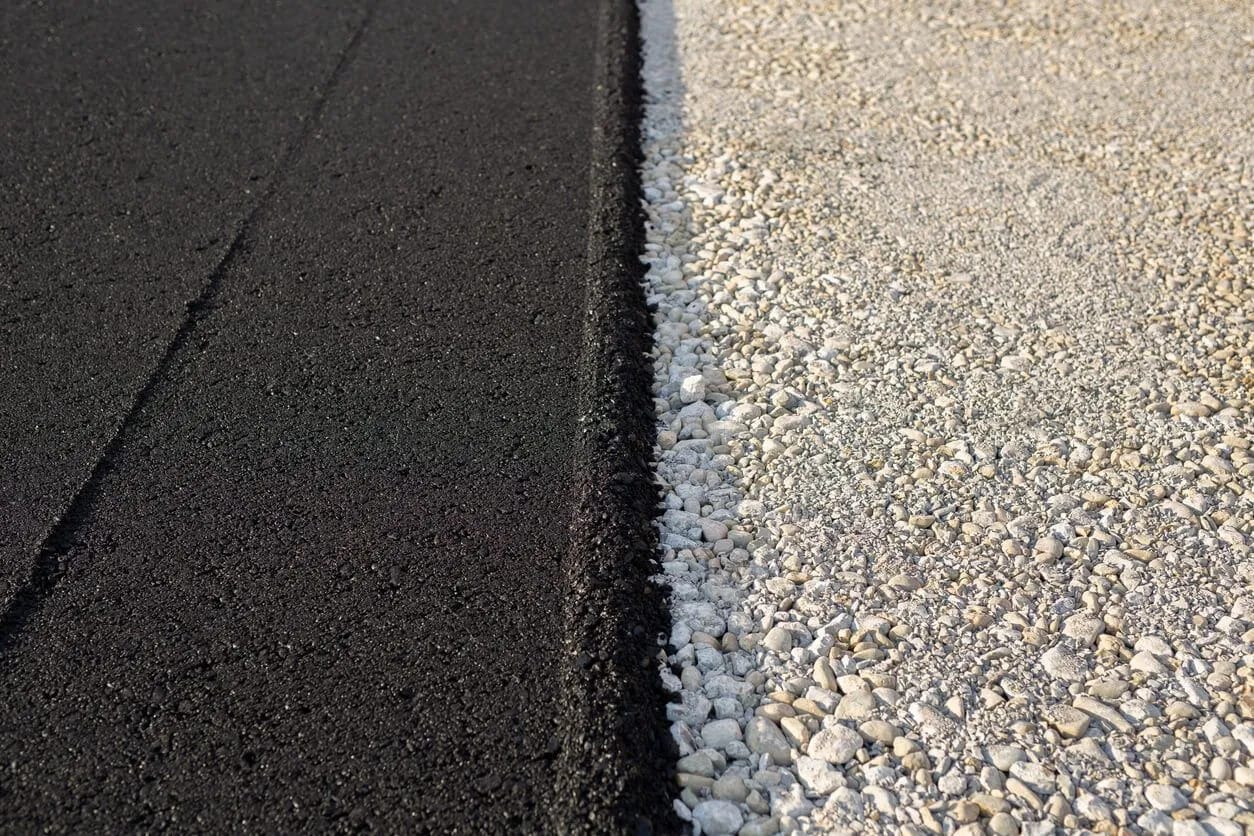
Dust and loose rock are obviously eliminated when you move to asphalt, but we also think ahead about edge support. If the asphalt edge is left unsupported next to soft soil, it can break off over time. We recommend and often install shoulder rock or tie-in grading along the perimeter to protect the new pavement and keep guests and employees from driving off a sharp edge.
What Lincoln Businesses Should Know Before Scheduling a Conversion
If you are considering a commercial gravel-to-asphalt conversion in Lincoln, some planning on your side can make the project smoother. First, think about your busiest hours and critical access points. Precision Asphalt Lincoln can phase the work so at least one entrance remains open when possible, or schedule paving during slower periods, weekends, or off-hours to reduce interruption.
Next, gather any site plans or previous grading information you have, especially for larger complexes or industrial sites. Even older drawings help us understand existing utilities, easements, and drainage paths. If you do not have plans, that is fine. We can still evaluate the site, but knowing where utilities run under the lot can help avoid surprises.
You should also consider future changes. If you may add a drive-thru, expand loading docks, or change traffic flow in the next few years, tell us during planning. We can design the asphalt layout and structure so it is ready for those changes instead of needing major rework later.
Finally, expect some preparation work on your part. This may include moving trailers or storage containers off the lot, notifying tenants and employees, and planning temporary parking. We provide a clear schedule and instructions, including when the lot can be walked on and when it can be driven on after paving. With solid communication on both sides, your gravel-to-asphalt conversion can be completed quickly and with far less stress than many owners anticipate.