Home › Gravel-to-Asphalt Conversions
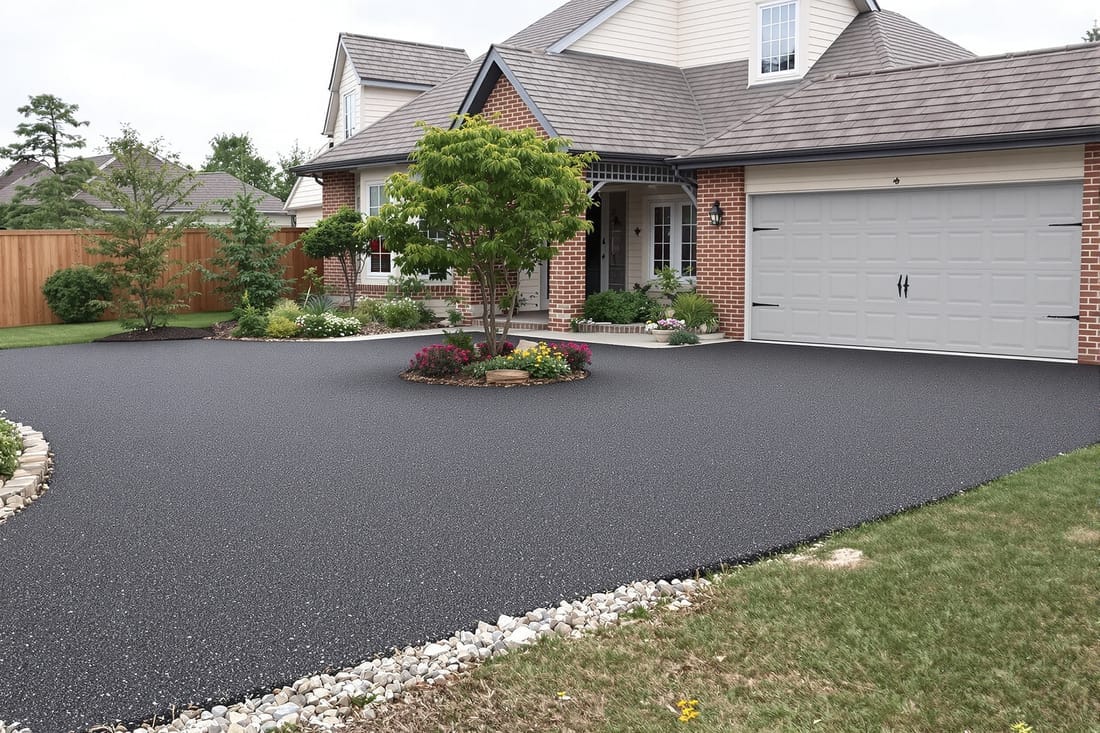
Tired of mud and ruts in your gravel drive Get a gravel to asphalt driveway conversion in Lincoln, NE. We regrade, compact a solid base, and pave with smooth blacktop for cleaner vehicles and easier snow removal.
Precision Asphalt Lincoln provides professional gravel to asphalt driveway throughout Lincoln, NE, Nebraska and the surrounding area. Our licensed, insured crew delivers safe, clean, on-time work with a free estimate before anything begins. Call (402) 409-1712 or request your free quote.
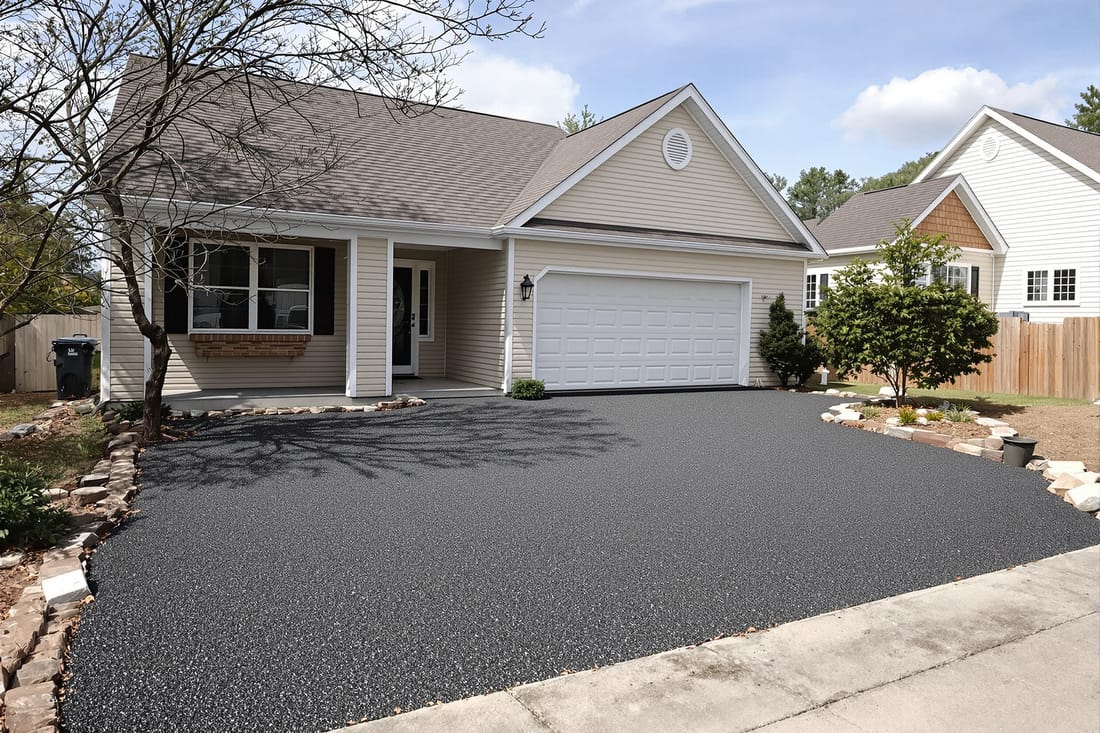
Turn Your Gravel Driveway Into a Clean, Solid Asphalt Surface
If you are tired of ruts, dust, and mud, converting a gravel driveway to asphalt is one of the highest impact upgrades you can make to your property. Precision Asphalt Lincoln specializes in gravel to asphalt driveway conversions in Lincoln and the surrounding Nebraska communities, and we focus on getting the base right so your new surface holds up through freeze and thaw cycles.
A proper conversion is more than just throwing asphalt over gravel. We look at what you have, how the driveway is used, and what Lincoln weather will do to it over time. Our crews deal with everything from short farm lane driveways off Saltillo Road to tight residential drives in older neighborhoods inside the city. We adjust the design so that water drains away from the house and does not pool and refreeze on the pavement.
Our goal is to leave you with a driveway that plows easily in winter, stays firm in spring, and does not turn into a dust cloud every time someone pulls in during July and August. The way we build the base, choose the asphalt mix, and set the slope all work together to make that happen.
How We Convert Gravel To Asphalt, Step By Step
Every gravel to asphalt driveway project with Precision Asphalt Lincoln starts with a site visit. We walk the drive, check the existing gravel depth, look for soft spots, and note where water currently runs. Many older gravel drives around Lincoln have been topped off with rock for years but still have weak spots underneath. We probe those areas and plan to undercut and replace them.
Once the plan is set, we bring in equipment to fine grade the existing gravel. If the base is too thin or inconsistent, we add and compact additional crushed rock, usually a 3/4 inch minus limestone or similar aggregate common in this part of Nebraska. The goal is a consistent, well compacted base, typically 4 to 8 inches thick depending on expected traffic and soil conditions. For farm and acreage drives that see heavy trailers, we often recommend the thicker end of that range.
Compaction is critical. We use steel drum and vibratory plate compactors to lock the base together. If the subgrade is clay and holds water, which is common around Lincoln, we may undercut the soft areas and bring in new base material, or in some cases install a geotextile fabric to keep the rock from pumping into the soil.
After the base is sound and shaped for drainage, we apply a tack coat where needed and then lay the hot mix asphalt. Residential gravel to asphalt driveway conversions usually get 2.5 to 3 inches of compacted asphalt, placed in one or two lifts depending on the situation. We then roll it to a smooth finish, cut clean edges, and tie into the street or existing pavement so there are no abrupt bumps.
Design Choices, Thickness, And What Affects Cost
The cost of converting a gravel driveway to asphalt in Lincoln depends mostly on base work, asphalt thickness, and access. A short, straight drive with a solid existing base will cost less per square foot than a long, winding lane with wet spots that need undercutting.
For most homeowners, we walk through three main choices:
1. Driveway width and layout. Many gravel drives are narrower than people really want once the surface is paved. During the estimate, we can adjust the layout to allow easier parking and turning, or tighten it where you want to keep more yard.
2. Asphalt thickness. Light residential use usually does fine with about 2.5 inches compacted. If you regularly park work trucks, RVs, or grain trailers, we explain the benefit of adding thickness, sometimes up to 3.5 inches compacted, and possibly more base rock.
3. Edging and transitions. We can feather the asphalt down into the yard, or, if you want a crisp edge, we can set the edge slightly above grade so the lawn can grow up to it. At the street or alley, we match existing asphalt or concrete so you do not end up with a lip that catches snow blades.
Other cost factors include tree root removal, drainage improvements, and how many mobilizations we need. Lincoln’s clay soils and rolling lots mean we sometimes recommend adding a small swale or adjusting the slope a bit to keep water from running straight down the drive and cutting into the shoulder.
Timing, Weather, And Common Problems We Solve In Lincoln
Our paving season for gravel to asphalt driveway work in Lincoln typically runs from April through early November, depending on temperatures. Hot mix asphalt needs a reasonably warm and dry surface. If nights are dropping too low or the base is saturated from heavy rain, it is better to wait a few days than rush the job.
Local freeze and thaw cycles are tough on poorly built driveways. If the base does not drain, water will sit in the stone, freeze, expand, and eventually crack or heave the asphalt. To avoid this, we look closely at how water leaves your property. Sometimes a simple crown in the center of the drive is enough. Other times we suggest a shallow ditch on one side so meltwater has somewhere to go.
Common problems we correct during conversions include low spots where cars have created depressions in the gravel, shoulders that have washed out toward the ditch, and ruts near the street where heavier vehicles stop and start. For each of these, we cut out the bad area, rebuild the base with proper compaction, then pave. We do not just pave over the problem and hope the new surface hides it.
In shaded areas that stay wet, especially on north facing drives, we also think ahead about winter traction. While asphalt itself has good grip, standing water or ice does not. Adjusting slope and drainage in those sections helps reduce slick spots so your driveway is safer when temperatures swing around freezing.
What To Expect From Precision Asphalt Lincoln And How To Prepare
When you hire Precision Asphalt Lincoln for a gravel to asphalt driveway conversion, we handle the work in clear stages so you know what is happening each day. After the estimate and written proposal, we schedule your job during a stretch of suitable weather. On day one, we typically handle base shaping and any undercutting. On day two, we fine tune grades, compact, and, if conditions are right, place asphalt.
Before we arrive, we ask that vehicles, trailers, and portable basketball hoops are moved off the drive and nearby work areas. If there are sprinkler heads or shallow utilities at the edge of the gravel, point them out. We can usually work around them or adjust the edge line so nothing is damaged.
Once the asphalt is down, you can usually walk on it the same day and drive on it within 24 to 48 hours, depending on temperatures. In summer heat, heavy vehicles should stay off a little longer. We will give you specific guidance before we leave. For the first season, we advise avoiding tight turns with power steering while parked, especially for heavier trucks, to minimize scuffing.
We also talk through basic maintenance. Keeping edges supported with soil, cleaning off fuel or oil drips promptly, and sealing the driveway after the first couple of years all help extend its life. Our team can schedule follow up sealcoating or simply show you what to watch for as the pavement ages. Our focus is to build a driveway that matches how you actually use it, then give you the information you need to keep it in good shape for many Nebraska winters and summers.