Home › Asphalt Resurfacing & Overlays
Refresh a worn driveway with asphalt resurfacing and overlays in Lincoln, NE. We repair problem areas, level the surface, and apply a new asphalt layer that restores appearance and performance without full replacement.
Precision Asphalt Lincoln provides professional asphalt resurfacing throughout Lincoln, NE, Nebraska and the surrounding area. Our licensed, insured crew delivers safe, clean, on-time work with a free estimate before anything begins. Call (402) 409-1712 or request your free quote.
Asphalt Resurfacing & Overlays for Lincoln, NE Properties
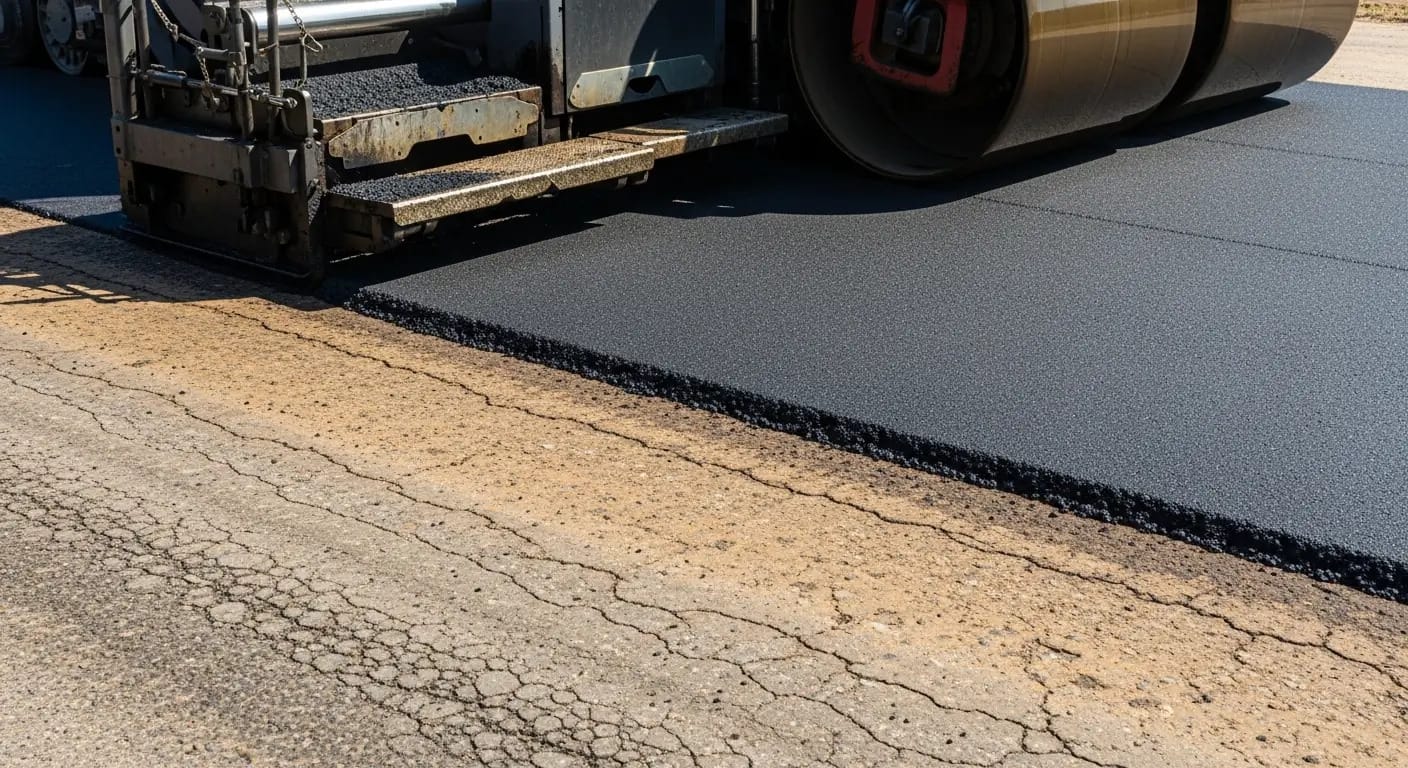
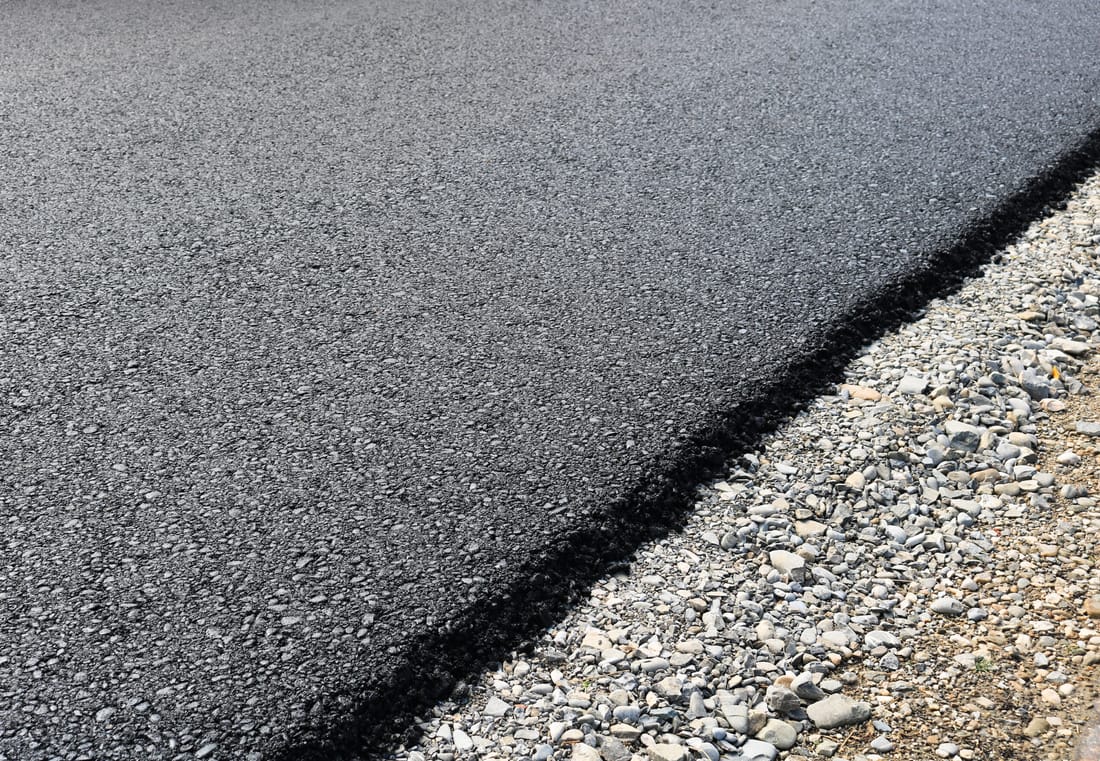
Asphalt resurfacing is often the most cost effective way to restore worn pavement in Lincoln without paying for a full tear out and replacement. Instead of removing the entire asphalt structure, Precision Asphalt Lincoln grinds or repairs the top layer, corrects isolated base failures, then installs a new asphalt overlay. The result is a fresh, smooth surface that extends the life of your driveway, parking lot, or private road.
Around Lincoln, a lot of pavement damage comes from freeze thaw cycles, snow plow scraping, and heavy agricultural or delivery traffic. When the base underneath is still solid but the surface is cracked, rutted, or faded, resurfacing is usually the right move. It addresses functional issues and appearance at the same time, without the cost and disruption of digging everything out.
We use resurfacing for commercial parking lots, HOA streets, church and school lots, and larger residential driveways. If the existing asphalt has widespread alligator cracking, rutting in drive lanes, or standing water after a rain, our team evaluates whether those problems can be corrected with milling, patching, and a properly designed overlay. Our recommendations are based on what will actually perform in Lincoln soils and weather for the next 8 to 15 years, not just what is cheapest today.
How We Evaluate if Resurfacing Is the Right Choice
Not every cracked surface is a good candidate for asphalt resurfacing. Precision Asphalt Lincoln starts with a site visit and a straightforward assessment. We walk the pavement, mark problem areas, and in some cases take small core samples so we can see the thickness of the existing asphalt and base.
We look for clear signs that the base is still sound, such as localized cracking instead of widespread movement, no major frost heave, and minimal pumping or flexing when heavy trucks drive through. If you see deep potholes that return soon after patching, long running cracks that keep reopening, or obvious soft spots after a rain, those are warnings that a full reconstruction may be needed in those specific areas before any overlay.
We also check drainage patterns. In Lincoln, many older lots were built without enough slope, so water stands in low spots and refreezes in winter. Before we overlay, we determine if we can correct these with targeted milling, leveling courses, or minor regrading. If not, we explain what limitations you can expect so you can make an informed decision.
At the end of the evaluation, you get a clear yes, no, or conditional recommendation for resurfacing. If resurfacing is appropriate, we outline which sections will be milled, which will get base repair, and where we need to adjust slopes. There is no pressure, only a practical explanation of what will and will not work on your specific pavement.
Step by Step: Our Asphalt Resurfacing & Overlay Process
Once you decide to move forward, Precision Asphalt Lincoln follows a set process that is designed around the way pavements in our climate fail over time.
1. Surface cleaning and prep. We broom and power sweep the asphalt, then use high pressure air around cracks, joints, and edges. Any fuel or oil saturated areas are treated or removed so they do not undermine the new overlay.
2. Milling and edge work. Where there are height transitions to concrete approaches, garage floors, or ADA ramps, we use a milling machine to lower the existing asphalt and create a smooth tie in. In badly rutted drive lanes, we often mill down at least 1 inch to remove the deformation before paving. This keeps new asphalt from simply following the old ruts.
3. Base and patch repairs. Any areas with structural failure are cut out in rectangular patches, the base is repaired or replaced, then new hot mix asphalt is installed and compacted flush with the surrounding surface. Resurfacing over soft or broken base is a waste of money, so we deal with it up front.
4. Leveling course (if needed). On lots with birdbaths or bad cross slope, we install a thin leveling course to correct low spots. In Lincoln, we often use this on older church lots and shopping centers that have settled along the centerline.
5. Overlay installation. We place a new surface lift of hot mix asphalt, usually between 1.5 and 2.5 inches, depending on traffic loads. Residential driveways and light use lots typically get a thinner lift than grocery store or manufacturing lots with regular truck traffic. Mix designs are selected to balance durability, smoothness, and cost.
6. Compaction and finishing. Multiple steel and pneumatic rollers compact the new asphalt to the specified density. Proper rolling is what gives you a tight, long lasting surface, so we pay close attention to roller patterns and timing, especially in cooler spring and fall temperatures.
7. Marking and clean up. Once the asphalt has cooled, we re-stripe parking stalls, arrows, handicapped symbols, and fire lanes as needed. We also reinstall any concrete or metal features removed before paving, such as wheel stops or bollards.
Material Options, Thickness, and Design Choices
Resurfacing is not one size fits all. Precision Asphalt Lincoln tailors each asphalt overlay to how the pavement is actually used.
For light duty residential driveways, a 1.5 to 2 inch overlay is usually enough when the base is sound. For commercial parking lots and drive lanes used by trash trucks, semis, or delivery vehicles, we typically recommend a 2 to 3 inch overlay, sometimes in two lifts to better lock into the existing surface. Thicker overlays cost more in material but stand up much better to turning and braking forces.
In Lincoln, we commonly use mixes designed to handle freeze thaw cycles and deicing salts. For higher traffic areas, we may specify a mix with a slightly smaller aggregate top size for a tighter, longer wearing surface. In low speed, low traffic zones, a more economical mix can work well as long as the base is solid.
We can also talk about adding geotextile paving fabrics or stress absorbing membrane layers between the old asphalt and the new overlay. These can help delay reflective cracking where existing cracks are stable but cannot be eliminated entirely. They add cost but often extend the service life by several years, especially on older city side streets and HOA roads.
Marking layout is another design choice. When resurfacing older commercial lots in Lincoln, this is a good time to correct awkward traffic patterns, faded or non compliant handicap layouts, and poorly marked crosswalks. We can adjust striping to improve flow and help you align with current accessibility standards.
What Drives Asphalt Resurfacing Cost in Lincoln
Customers often want to know why two projects that look similar can be priced very differently. With asphalt resurfacing, most of the cost variables are visible on the pavement if you know what to look for.
The biggest cost drivers are square footage, overlay thickness, and how much base and patch repair is needed. A large, clean lot that only needs a 1.5 inch overlay will cost much less per square foot than a smaller lot with many failed areas that require full depth patching. In Lincoln, we frequently see older industrial lots along Cornhusker Highway that require considerable base repair from heavy truck traffic, which increases both labor and material costs.
Access and staging affect price as well. If work can be done in one mobilization with a clear staging area for trucks and equipment, the cost is lower than a project that must be broken into many phases around business hours or limited access points. For example, apartment complexes that need half the lot open at all times usually require additional crew time and traffic control.
Other line items that influence cost include milling depth and quantity, fabric or specialty membranes, drainage corrections, and striping complexity. Weather timing can also matter. Working in the heat of midsummer can be more efficient than cool shoulder seasons, when asphalt cools faster and compaction windows are tighter.
Precision Asphalt Lincoln provides itemized proposals so you can see exactly how each of these factors applies to your project. If you need to work within a set budget, we can sometimes phase resurfacing over two seasons, starting with the worst sections so you get the most life out of each dollar.
Planning, Scheduling, and What to Expect During the Work
Resurfacing projects go smoother when everyone knows what to expect. Precision Asphalt Lincoln coordinates closely with property managers, business owners, and homeowners so traffic and access issues are handled upfront.
We start by mapping traffic flows and deciding how many phases are needed. For businesses in Lincoln, we often schedule work during slower days of the week and coordinate with delivery schedules and trash pickup so essential services are not interrupted. On residential projects, we provide clear instructions on when vehicles need to be moved and when you can drive on the new surface, typically within 24 hours for light vehicles depending on temperature.
We also plan around Lincoln weather. Asphalt cannot be placed on saturated surfaces or in freezing conditions, and best results come when both air and surface temperatures are at or above manufacturer recommendations. If rain moves in or a cold snap hits, we will reschedule rather than risk a poor installation that fails early.
During work, expect some noise from milling machines, dump trucks, and rollers, along with temporary dust from grinding and sweeping. We set cones, barricades, and caution tape to keep vehicles off fresh asphalt and to protect pedestrians. At the end of each day, all open transitions are ramped or clearly marked so there are no unsafe drop offs.
Once the overlay is complete, basic maintenance like regular sweeping, prompt oil cleanup, and periodic sealcoating will help protect your investment. We can advise on a maintenance schedule that fits how your pavement is used and the conditions it sees year round in Lincoln.